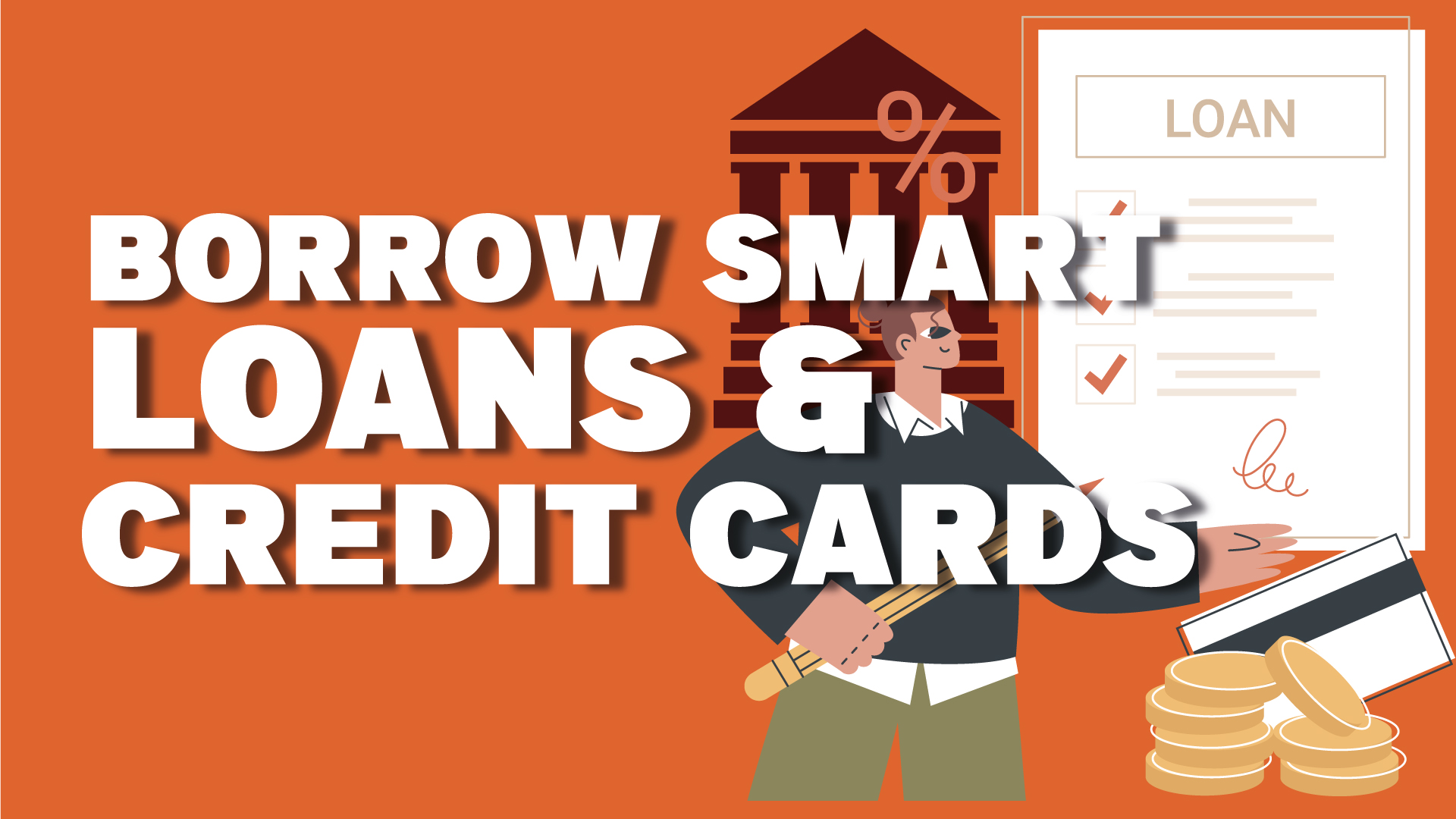
Borrow Smart: A Young South African’s Guide to Loans and Credit Cards
Borrow Smart: A Young South African’s Guide to Loans and Credit Cards
You’re young, South African, and trying to get your life started. You might need a laptop for varsity, a car to commute, or funds to cover an unexpected medical bill. Borrowing, when done wisely, isn’t the enemy. It can help you unlock opportunities, manage emergencies, and build your future.
Good Debt vs. Bad Debt
Not all debt is created equal. Some loans move you forward; others hold you back.
- Good Debt: Money borrowed to build your future, like a student loan that leads to a better-paying job, a car loan for reliable commuting, or a business loan to launch your side hustle.
- Bad Debt: Funds things you don’t need (e.g., flashy clothes, expensive holidays) or can’t afford, often at high interest rates. It doesn't grow your income or future.
Rule of Thumb:
“Will this loan help me earn more, save more, or increase my assets over time?” If the answer is yes, it might be good debt.
Different Types of Borrowing
| Borrowing Type | How It Works | Best For |
|---|---|---|
| Credit Card | Revolving credit limit. You can use it, pay it back, and use it again. Interest-free period (usually up to 55 days) if paid in full. | Building a credit score; planned emergencies (if you can repay quickly). |
| Personal Loan | Fixed amount borrowed, fixed repayment term (e.g., 36 months) with a fixed interest rate. | Large one-off purchases like tuition, medical bills, or furniture. |
| Student Loan | Special loan for education, usually at a lower interest rate, with deferred payment options until you finish studying. | University or TVET fees. |
| Store Account | Credit for clothing or electronics (e.g., Edgars, Foschini, Game). High-interest rates apply after the interest-free period. | Building credit history; necessary workwear/equipment (if repaid fast). |
**Danger Zone:** Payday Loans and Mashonisas
These are high-risk forms of borrowing, often tied to your salary, from microlenders.
- The Problem: Extremely high interest (often 30–60%) and the risk of falling into a debt spiral if you can’t repay it immediately.
- Best for: Absolute last resort. Exhaust all other options (e.g., family, savings) first.
Avoiding Debt Traps
Borrowing can go wrong fast if you’re not careful. Here’s how to stay safe:
- Steer Clear of Mashonisas: Unregulated lenders charge 50–100% interest, trapping you in debt. **Always use NCR-registered lenders** (like banks).
- Limit Credit Applications: Too many applications (e.g., 3 cards in a month) hurt your credit score. Apply only when necessary.
- Read the Fine Print: Check loan terms for hidden fees, early repayment penalties, or variable interest rates. Ask questions if unclear.
- Budget for Repayments: Include loan payments in your budget. Cut wants (like takeaways) if needed to ensure you can afford the payment.
- Beware Social Media Scams: X or WhatsApp ads for “easy loans” often lead to fraud. Verify lenders via the National Credit Regulator (NCR) or bank apps.
Next Steps: Check your credit score on ClearScore and review your budget to see what repayments you can afford. Compare loan options on a site like Fincheck.co.za.
Related Posts
Your First Paycheck: What does it all mean?
Your first paycheque
Picking a Bank Account (Non-Student Edition)
Your first paycheque

Avoiding the “Go Big” Trap: Spend Smart, Not Sorry
Your first paycheque
10 Money-Saving Hacks for Young South Africans
Your first paycheque
8 Paycheck Hacks – Saving You From Regret
Your first paycheque
Retirement Planning: A Young Person’s Guide to a Secure Future
Level up your money game
Quick Guide to Managing Your Money (The SA Starter Toolkit)
Level up your money game
Investing 101: A Beginner's Guide to Growing Money in South Africa
Level up your money game

Investing in the Stock Market – A Quick Guide
Level up your money game

Furnishing Your First Apartment (Without Going Broke)
Level up your money game
Starting Your Own Business: A Concise Guide
Level up your money game
20 Money-Saving Hacks for Young South Africans
Level up your money game